The Trader Harbor
  • Business
  • Politics
  • World News
  • Stocks
  • Business
  • Politics
  • World News
  • Stocks

The Trader Harbor

World News

It wasn’t the endless shrimp that pinched Red Lobster. How private equity rolled the seafood chain.

by admin May 25, 2024
May 25, 2024
It wasn’t the endless shrimp that pinched Red Lobster. How private equity rolled the seafood chain.

Angry that your favorite Red Lobster closed down? Wall Street wizardry had a lot to do with it.

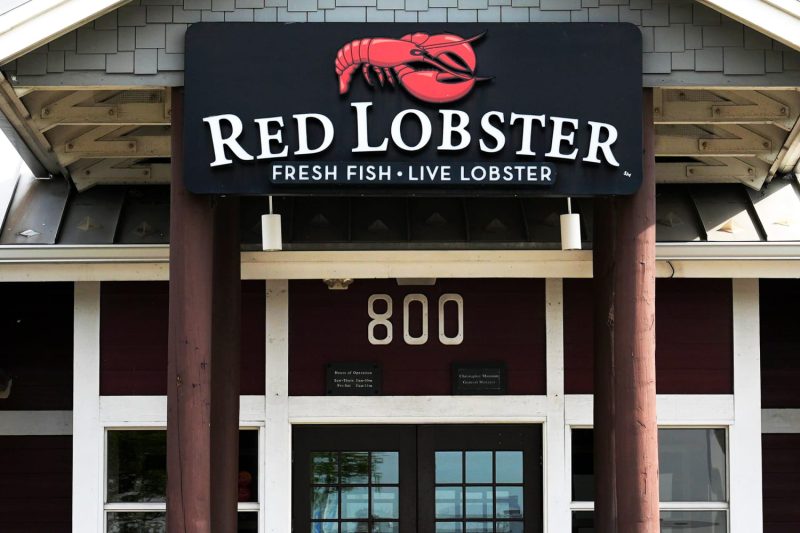
Red Lobster was America’s largest casual dining operation, serving 64 million customers a year in almost 600 locations across 44 states and Canada. Its May 19 bankruptcy filing and closing of almost 100 locations across the country has devastated its legion of fans and 36,000 workers. The chain is iconic enough to be featured in a Beyoncé song.

Assigning blame for company failures is tricky. But some analysts say the root of Red Lobster’s woes was not the endless shrimp promotions that some have blamed. Yes, the company lost $11 million from the shrimp escapade, its bankruptcy filing shows, and suffered from inflation and higher labor costs. But a bigger culprit in the company’s problems is a financing technique favored by a powerful force in the financial industry known as private equity.

The technique, colloquially known as asset-stripping, has been a part of retail chain failures such as Sears, Mervyn’s and ShopKo as well as bankruptcies involving hospital and nursing home operations like Steward Healthcare and Manor Care. All had been owned by private equity.Asset-stripping occurs when an owner or investor in a company sells off some of its assets, taking the benefits for itself and hobbling the company. This practice is favored among some private-equity firms that buy companies, load them with debt to finance the purchases and hope to sell them at a profit in a few years to someone else. A common form of asset-stripping is known as a sale/leaseback and involves selling a company’s real estate; this type of transaction hobbled Red Lobster.

In recent years, private-equity firms have invested heavily in all areas of industry, including retailers, restaurants, media and health care. Some 12 million workers are employed by private equity-backed firms, or 7% of the workforce. Companies bought out and indebted by private equity go bankrupt 10 times more often than companies not purchased by these firms, academic research shows. In a report this month, Moody’s Ratings said leveraged buyouts like those pursued by many private-equity firms drive corporate defaults higher and reduce the amounts investors recover when the companies are restructured.

This post appeared first on NBC NEWS

0
FacebookTwitterGoogle +Pinterest
previous post
Advertisers boost spending at retailers such as Walmart and Amazon as TV shrinks
next post
UAW challenges Mercedes-Benz union vote, asks NLRB for new election

Related Posts

Bitcoin is just another tech stock, not a...

March 25, 2025

AMC is poised to ride the box office...

November 19, 2024

Target, McDonald’s and others are offering value as...

May 24, 2024

Dell family donation to offer 25 million kids...

December 4, 2025

Dave & Buster’s plan to allow betting on...

May 8, 2024

Walmart fined for shipping realistic toy guns to...

May 28, 2025

McDonald’s to close three CosMc’s locations — and...

January 12, 2025

Why the Fed’s keeping rates higher for longer...

April 25, 2024

Lawsuit accuses Apple of stealing trade secrets to...

August 9, 2025

Ford to spend $3 billion to expand large...

July 19, 2024

    Stay updated with the latest news, exclusive offers, and special promotions. Sign up now and be the first to know! As a member, you'll receive curated content, insider tips, and invitations to exclusive events. Don't miss out on being part of something special.


    By opting in you agree to receive emails from us and our affiliates. Your information is secure and your privacy is protected.

    Latest

    • The Real Drivers of This Market: AI, Semis & Robotics

      March 20, 2026
    • S&P 500 Breaking Out Again: What This Means for Your Portfolio

      March 20, 2026
    • The Real Drivers of This Market: AI, Semis & Robotics

      March 19, 2026
    • S&P 500 Breaking Out Again: What This Means for Your Portfolio

      March 19, 2026
    • The Real Drivers of This Market: AI, Semis & Robotics

      March 18, 2026
    • S&P 500 Breaking Out Again: What This Means for Your Portfolio

      March 18, 2026

    Categories

    • Business (1,461)
    • Politics (6,036)
    • Stocks (2,021)
    • Uncategorized (45)
    • World News (1,454)
    • About us
    • Contact us
    • Privacy Policy
    • Terms & Conditions

    Disclaimer: TheTraderHarbor, its managers, its employees, and assigns (collectively “The Company”) do not make any guarantee or warranty about what is advertised above. Information provided by this website is for research purposes only and should not be considered as personalized financial advice. The Company is not affiliated with, nor does it receive compensation from, any specific security. The Company is not registered or licensed by any governing body in any jurisdiction to give investing advice or provide investment recommendation. Any investments recommended here should be taken into consideration only after consulting with your investment advisor and after reviewing the prospectus or financial statements of the company.

    Copyright © 2025 thetraderharbor.com | All Rights Reserved